

Piano Care
Care your piano needs—but doesn’t always get.

The Basics
Taking proper care of your piano is essential to ensure its longevity and maintain its exceptional sound quality. However, many piano owners often overlook or neglect certain aspects of maintenance, causing potential harm to their instrument. To simplify the process and help you prioritize the care your piano needs, we have compiled a list of essential practices.
-
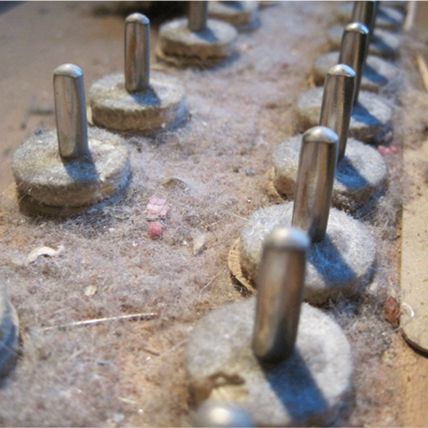
Regular cleaning is essential to protect your piano’s appearance and internal condition. Dust absorbs moisture, which can lead to rust on strings and damage to the finish.
Use a soft, lint-free cloth for routine cleaning
A lightly damp cloth with mild dish soap can be used on keys and case
Always dry with a clean microfiber cloth
Use caution: Avoid allowing moisture near the keyboard.
Standard furniture cleaners can leave residue or damage the finish. Always use products specifically designed for pianos.
Ask about Cory Care products for safe, effective cleaning. -
Item description
-
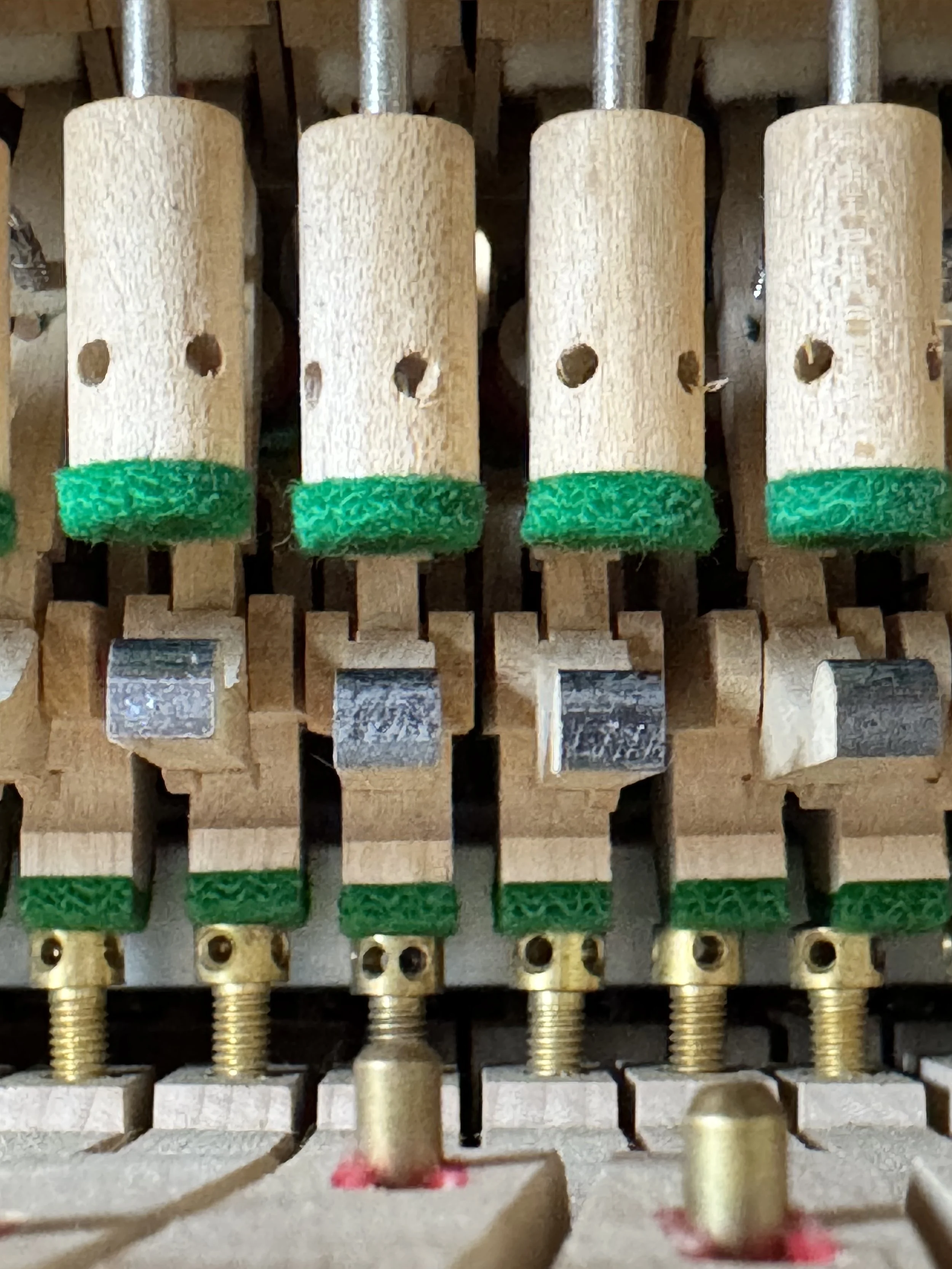
Worn or damaged components are addressed to prevent further deterioration and maintain reliable performance—keeping your piano in optimal playing condition.
-
Adjusts tone and character. From bright and powerful to warm and mellow, your piano’s sound is tailored to your preference.
-
Regulation is essential for maintaining your piano’s performance, touch, and control. Precise adjustments improve responsiveness and consistency—allowing your piano to perform at its best.
-
Pianos are highly sensitive to changes in temperature and humidity—the primary causes of tuning instability.
Significant fluctuations can lead to warping, cracks, and damage to the soundboard. Maintaining a stable environment helps protect your instrument and preserve its performance.
Ideal humidity: 40–50%
Ideal temperature: 68–72°F
Consider a humidity control system to maintain consistency year-round.
-
Where you position your piano can impact its health. Avoid placing it near windows, vents, or direct sunlight, as exposure to heat and drafts can lead to tuning instability and wood damage. Also, keep it away from areas with high moisture, such as kitchens or bathrooms.
-
Using a cover for your piano when it's not in use can shield it from dust, sunlight, and accidental spills.
Additionally, make sure to keep liquids away from the piano to avoid potential damage to the wood, strings, or keys.
Humidifier Care

Even in controlled spaces, seasonal and environmental changes can cause your piano’s pitch to rise and fall.
A dual humidifier/dehumidifier system helps regulate the environment inside your piano—reducing tuning drift and promoting long-term stability.
FAQs
How often should I tune my piano?
1
We offer a range of solutions designed to meet your needs—whether you're just getting started or scaling something bigger. Everything is tailored to help you move forward with clarity and confidence.
Will moving my piano affect the tuning?
2
Moving your piano within your living room or between rooms typically won't result in a significant perceivable difference in the tuning.
Prior to a tuning, it is unnecessary to move the piano away from the wall.
After moving long distances, it is recommended to wait 3-4 weeks to allow your piano to get acclimated to its new environment before tuning.
You can reach out anytime via my contact page or email. I aim to respond quickly—usually within one business day.